
Every weekend this summer, I’ve had an excuse to drag a friend somewhere they’ve never been.
"Come with me, I need to check out this pop-up." Then they walk in, touch a handwoven jacket they've never seen online, meet a founder who shipped their entire collection across an ocean to be in London for three days, and suddenly they get it. They see my world.
That's been my summer. Six African creative pop-ups across London and Paris. And every single one taught me something about what this space is getting right, what it still needs, and what MBG needs to be doing better too. Because the same country kept dominating every room. The same category kept filling every rail. And nobody seemed to want to say it out loud.
I will. But first, the ones that earned every minute I spent in them.
People don't remember products. They remember how the room made them feel
.
The Room That Made Me Want to Stay
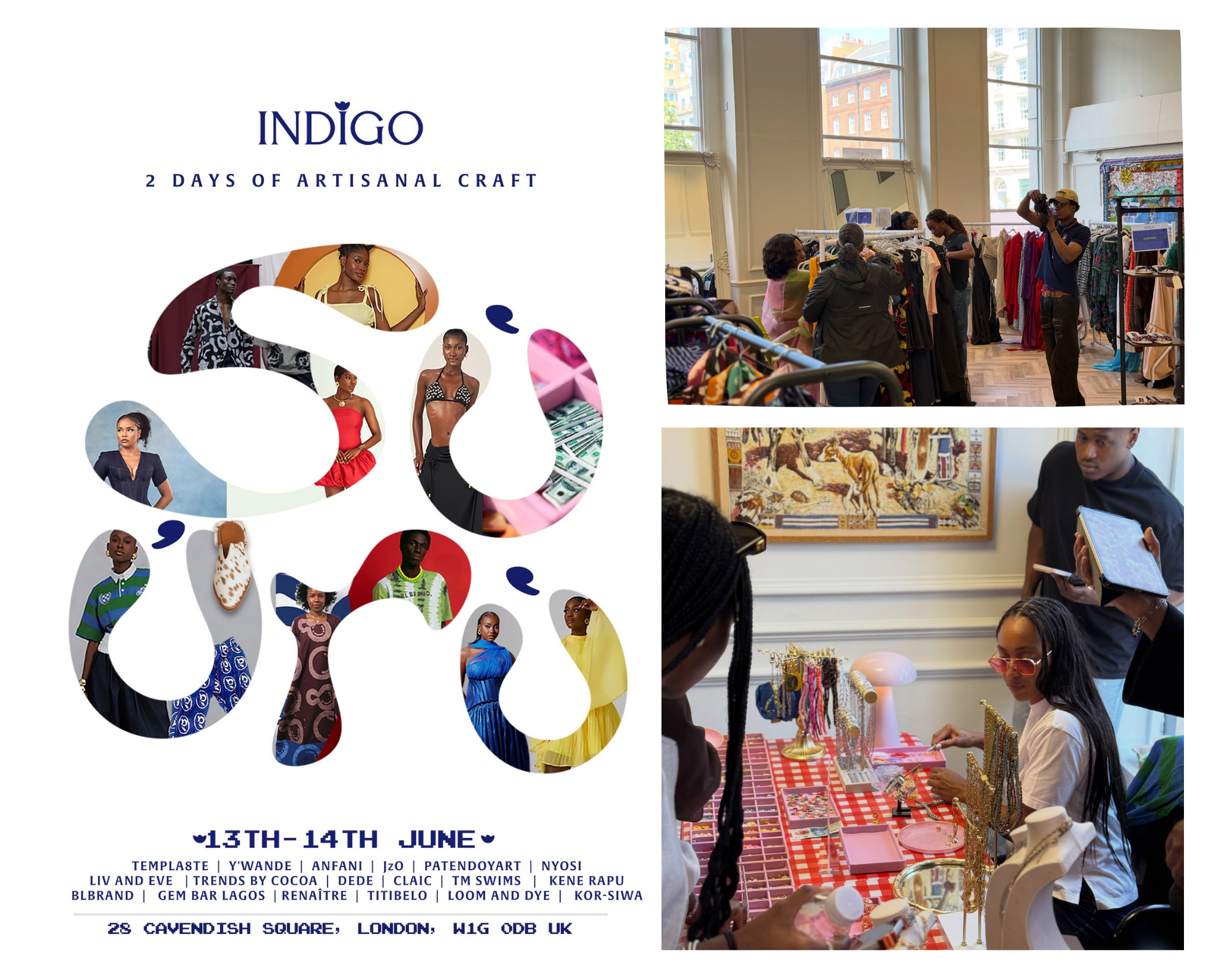
SUURU by Indigo Collective was the first pop-up I missed my train for because I didn't want to leave. Gembar Lagos handmaking jewellery to order while you browse. KorSiwa's founder, Catherine flying to London early to hand-make her outstanding vases. And when I found a dress I liked, someone helped me find another colour, another size. That sounds basic. After six pop-ups, I promise you it isn't. I left with a Templ8te piece and a pop-up experience I will always remember.
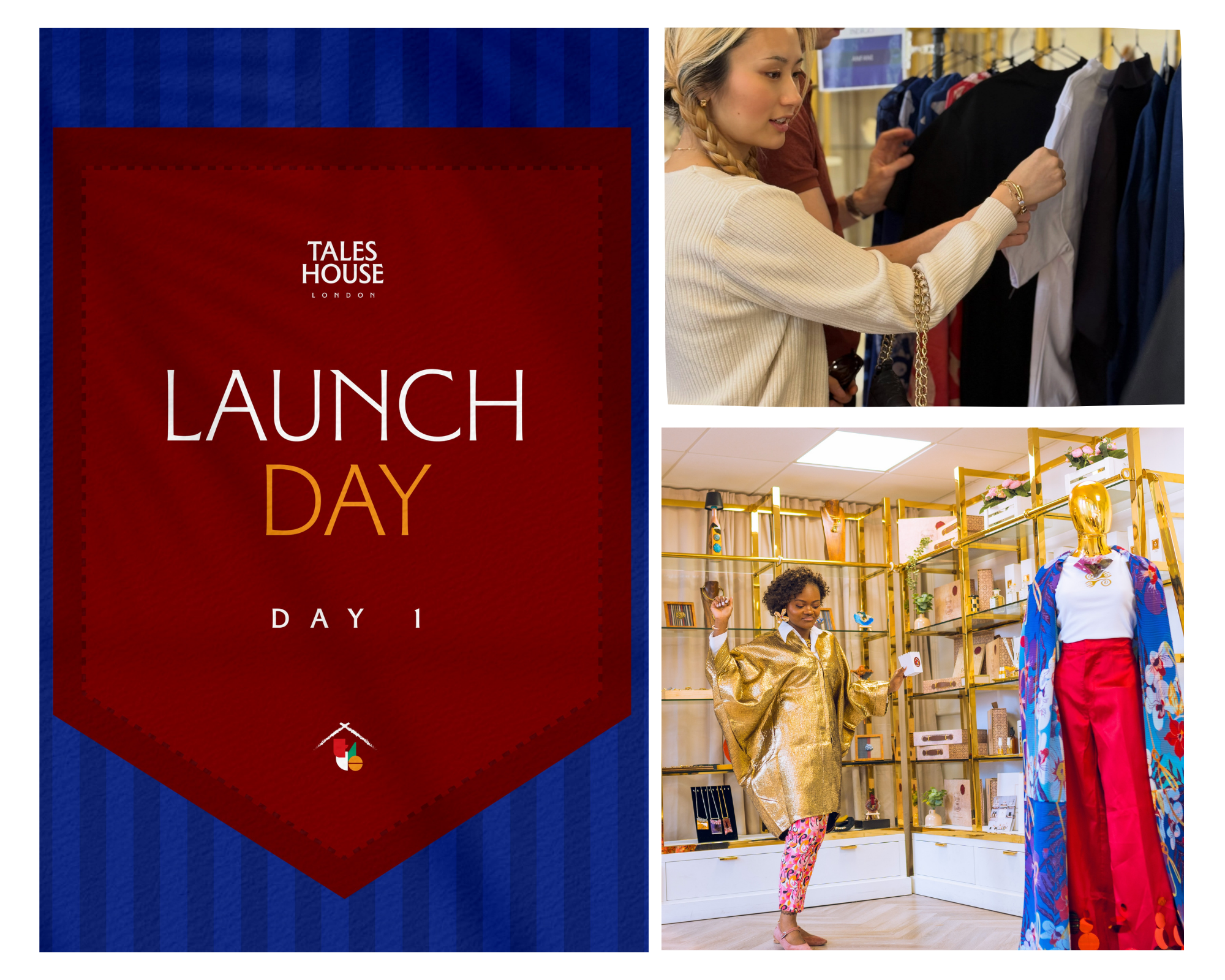
TALES House starts working before you arrive. I received newsletters about the brands showcasing, directions to the venue, which tube, which exit, what to expect, and the agenda for the day. Nobody else did that. By the time I walked in for the launch, I already felt like I belonged there. This is a curator that understands their audience and creates an experience for them beyond shopping. People came because TALES treats community as the product, not just the marketing.
The events getting it right aren't just curating better brands. They're building a better reason to stay.
The Ones That Knew Exactly Who Was Walking Through the Door
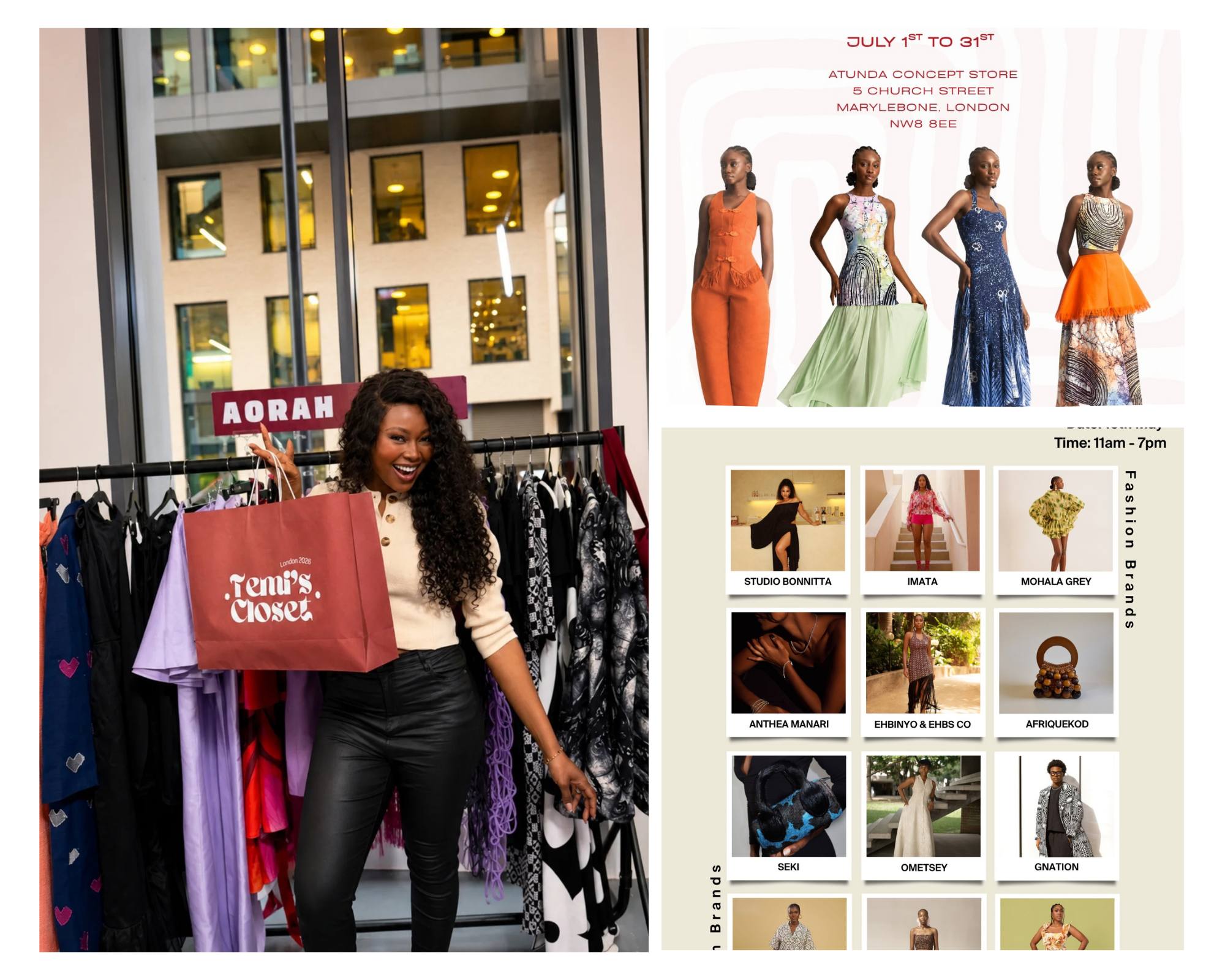
Temi's Closet brought twenty-plus Nigerian brands to Indra Gallery with cocktails by Yewa Cocktails, giveaways, and an energy that was unmistakably Lagos-in-London. Full respect, they were completely honest about what the event was: a celebration of Nigerian fashion. I respected that, because too often pop-ups market themselves as African when we all know it's mostly Nigerian plus one or two Ghanaian brands sprinkled in.
Atunda brought genuine category diversity and an affordable range across beauty, jewellery, sunglasses, bags, alongside fashion. Brands like Fruche, Henri Uduku, Seki, Mairachamp, Nyosi, Riran and Ywande showed up. The pop-up was so engaging they extended it to a month-long run through July.
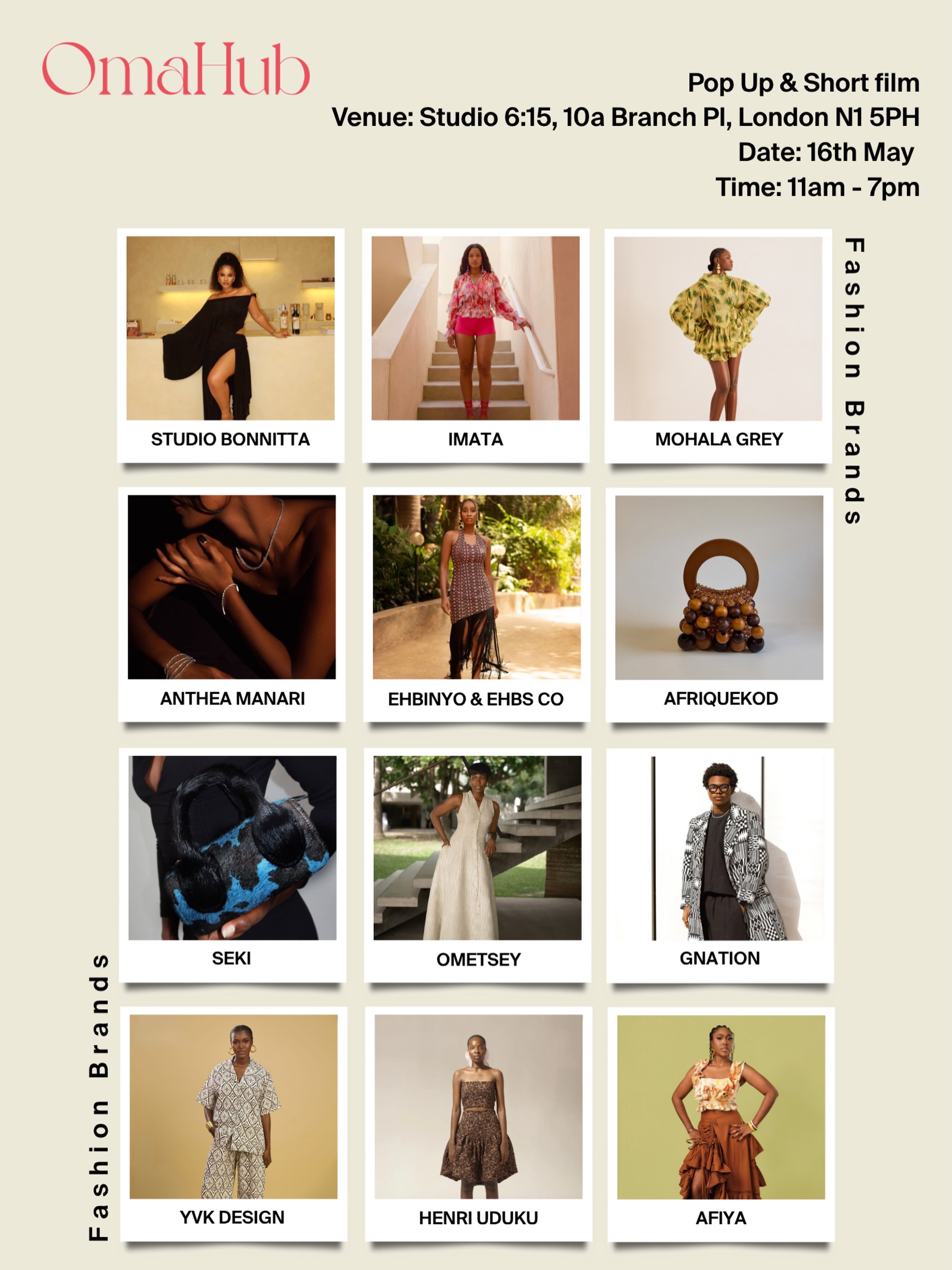
OmaHub had the youngest energy of any room I walked into this summer, an infectious buzz, pieces selling out fast, and brands like Mohala Grey, Studio Bonnitta and AfriqueKod that I hadn't encountered before. A smaller space worked against them in some ways, but the excitement was real.
Paris Had Something London Didn't
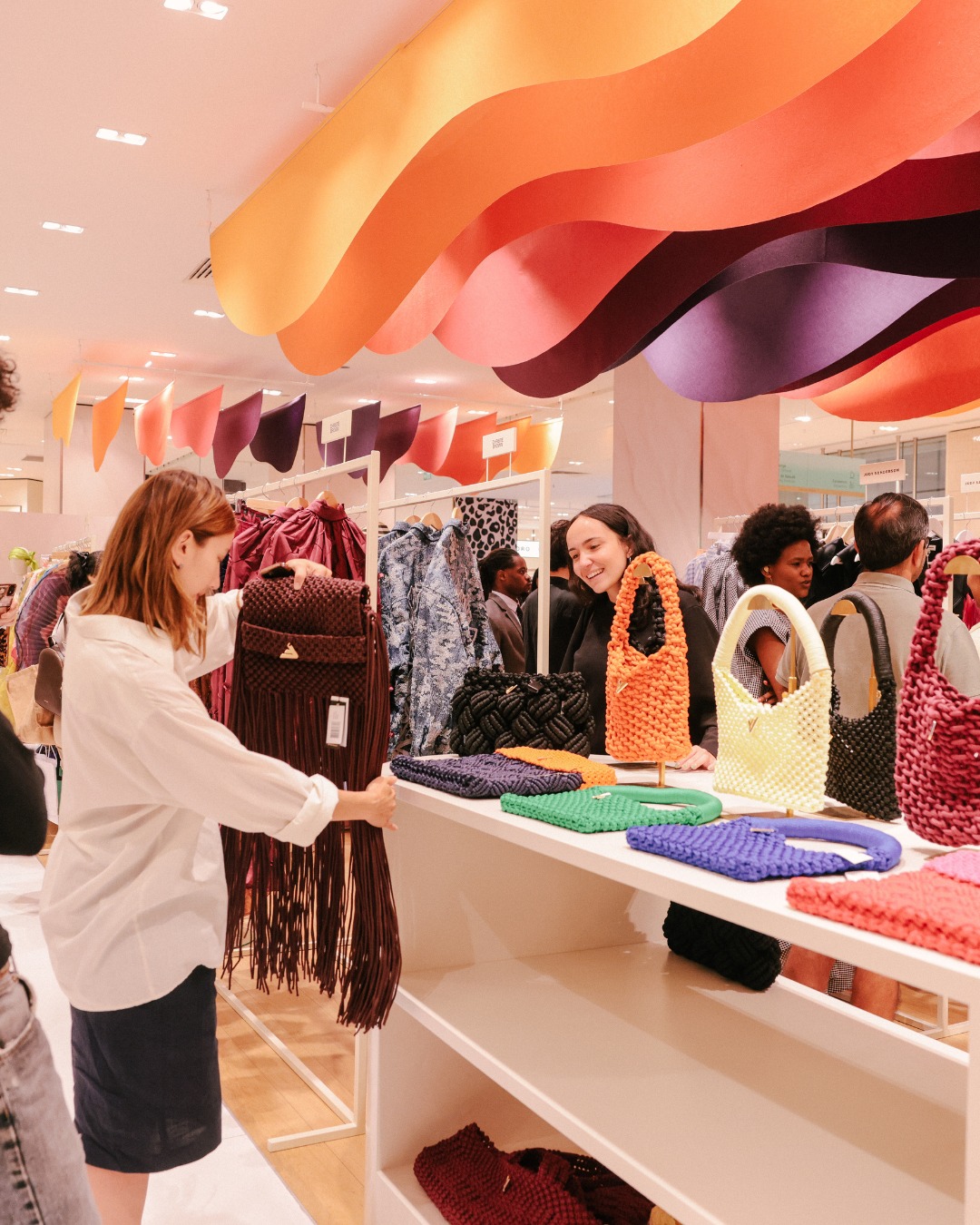
Africa Now at Galeries Lafayette was the last event I attended, and the only one I left without buying a piece.
I was in Paris on holiday. It took me twenty minutes to find the pop-up. There was no signage, no staff who knew what I was talking about. I searched online for a post on directions mid-visit; nothing. When I found it, the brands were stunning. Every piece deserved its place. But nobody approached me. Nobody offered my size. After a summer of SUURU's service and TALES' welcome, I knew what good felt like, and Paris didn't have that.
But here's what Paris got right that London hasn't yet: geographic diversity. Ibrahim Fernandez from Ivory Coast, Sisters of Afrika from Senegal, Christie Brown from Ghana, We Are NBO from Kenya, Eric Raisina from Madagascar, Vanhu Vamwe from Zimbabwe, all in one room, for the second consecutive year. The range London is still working towards, Paris already had.
And this isn't just London and Paris anymore. ANKA launched a pop-up in Tribeca this month. The numbers say exactly what is too glaring to ignore: the African Heritage Fashion Report 2026 puts this market at £4.2 billion. That's not a niche. That's my community, happily spending on African creativity.
The Founders Who Kept Showing Up, And What It Actually Costs
Some founders have showcased at multiple pop-ups across the summer, different organisers, different cities, different weekends while still fulfilling online orders. Nobody talks about what that costs. Flights. Accommodation. Customs. Shipping. Marketing. All before selling a single piece. Catherine from KorSiwa flew to London early to hand-make her products from scratch because shipping finished furniture wasn't viable. That's not a business expense. That's a bet on yourself
The organisers deserve equal applause, securing venues, coordinating brands across oceans, doing it again year on year, is no small feat. The dedication to the cause is admirable.
The Part Nobody Wants to Say Out Loud
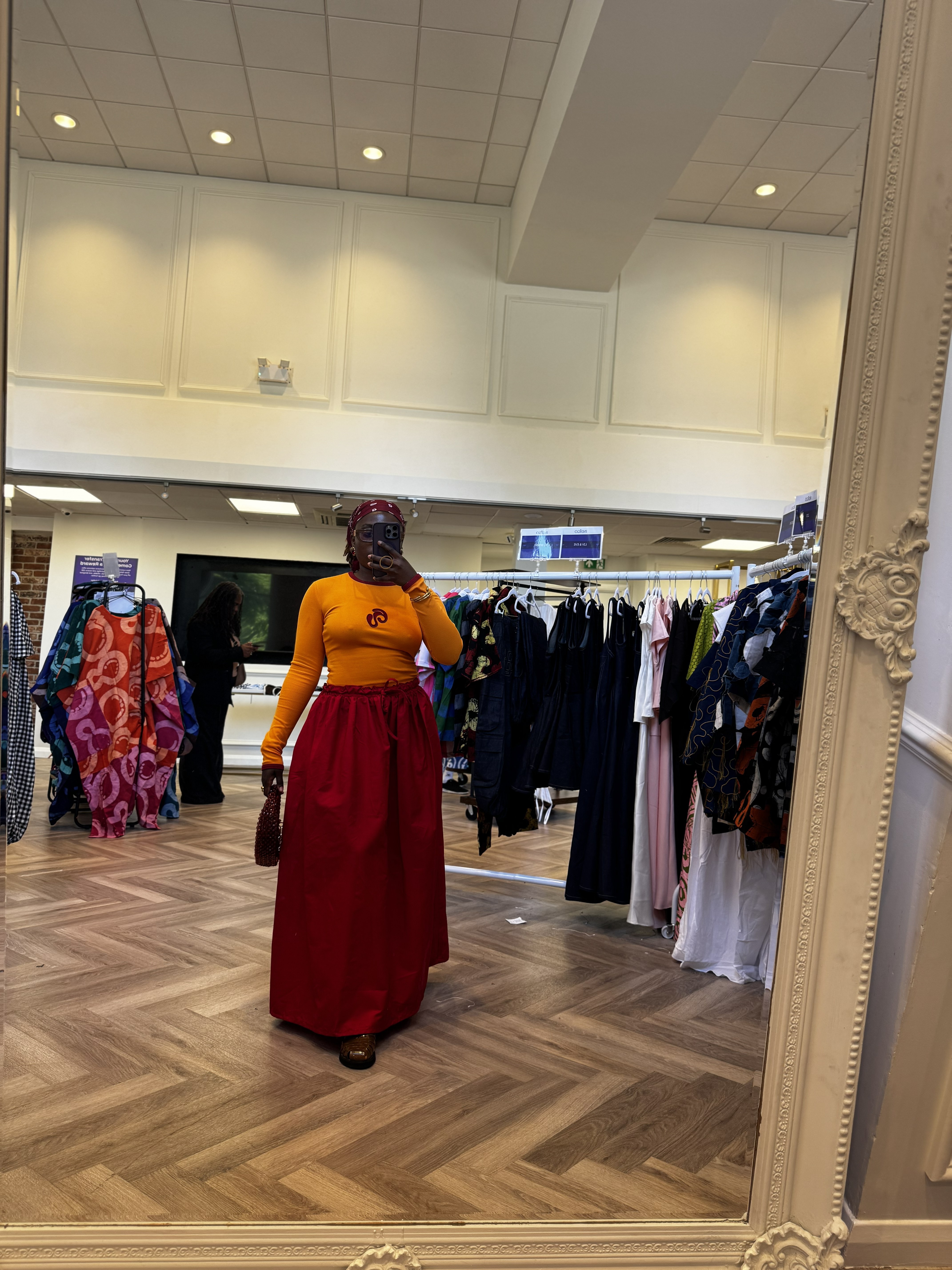
If these events want to attract shoppers beyond special occasions, they need to cater to the full spectrum of how we actually live in the diaspora, not just how we celebrate.
Nigerian founders showing up in every room, every city, shipping across oceans- that is extraordinary, and I applaud it. What I'd love to see is other countries matching that energy. I'd love to walk into a pop-up and find a Senegalese jeweller next to a Kenyan ceramicist next to a South African textile brand, all in the same room.
Where's the homeware? Where's the food? The beauty? The lifestyle? Male-founded brands? Nearly invisible. The casual Monday shirt? Almost absent. These spaces are dominated by occasion wear and statement pieces, beautiful, yes, but not the full picture of what African creativity looks like.
What's Coming
Despite everything I've observed, this is still the most exciting summer for African creative retail I've seen. The fact that I can name six events across London, New York and Paris in the space of a few months, and that I have strong opinions about what's working and what isn't, means the infrastructure is genuinely being built. Five years ago, this article wouldn't have had enough material to exist.
And the best two events of the summer haven't even happened yet.
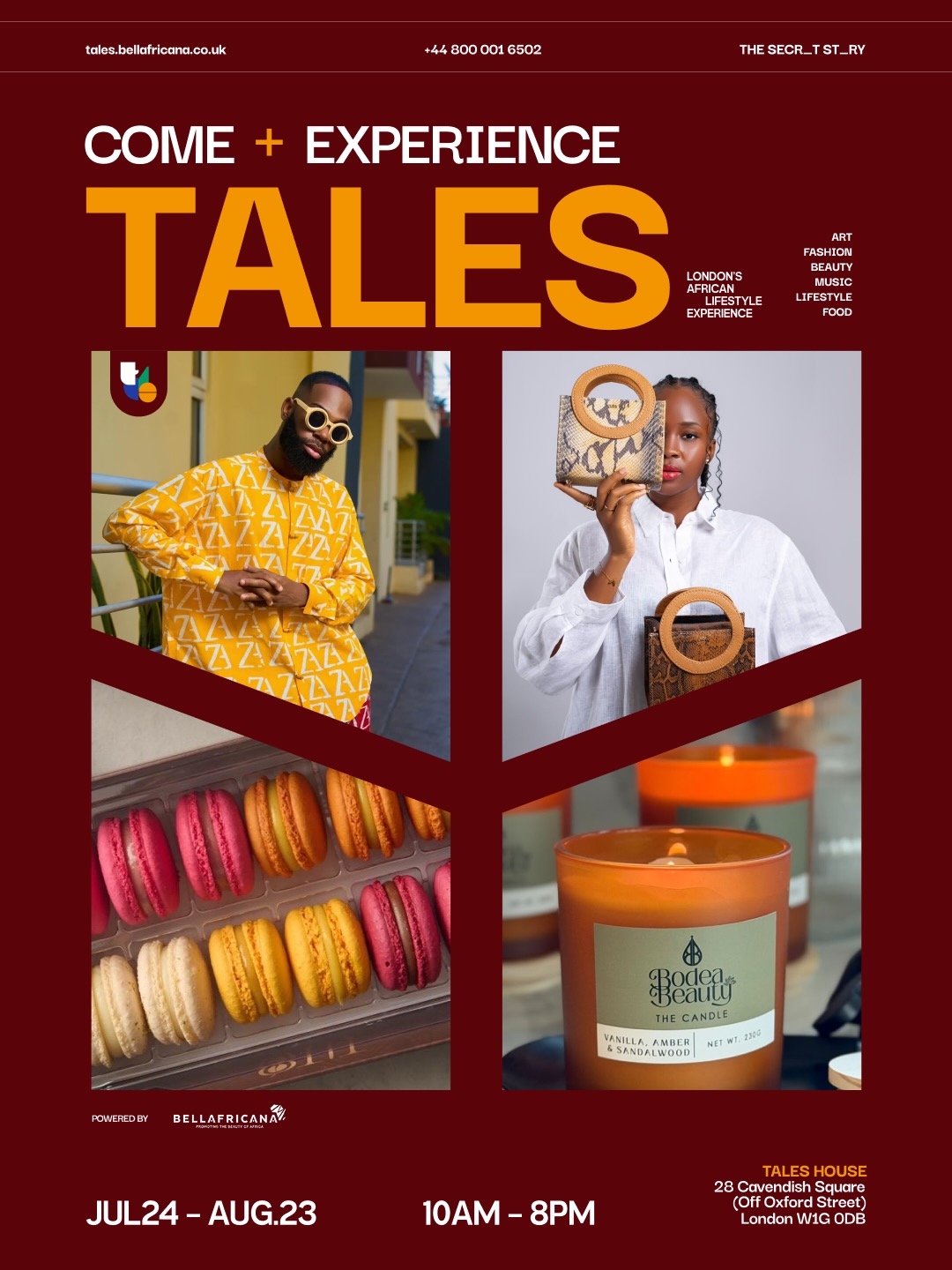
TALES opens its full exhibition from July 24th to August 23rd at TALES House. After everything I saw at the launch, I genuinely cannot wait to see what a month-long version looks like. MBG will be on the ground as media partners.
Africa Fashion Week London runs August 17th–23rd for its 16th year, and AFWL is genuinely the benchmark for geographic diversity. Over sixteen years, they've showcased designers from 26 African countries and 67 countries worldwide, including diaspora designers from Brazil, Europe, the Caribbean and the Americas. DJ Cuppy opens with a workshop. The British Council hosts three days of seminars. And for the first time ever, AFWL is launching Shop the Runway, a showroom where you can buy directly from the designers whose collections just walked. That's a real structural shift.
The Future I Want MBG to Build
African creativity doesn't have a talent problem. It has a visibility problem. Every founder I met already had the craftsmanship. Every organiser proved people will show up. The next challenge isn't creating brilliant brands. It's creating sustainable infrastructure and making sure the world can keep finding them after the pop-up closes.
My dream? One room where you can find Black-owned brands from around the world. Every category. Every country. Every price point. A global Black-owned pop-up, fuelled by what our community has been wishlisting. Maybe that's what an MBG pop-up looks like one day.
Until then, pop-ups disappear. Your wishlist doesn't.
Was this Helpful?